Enjoy Fresh Herbs Now AND Later - Recipes & Tips For Freezing and Drying

Monday, June 25, 2018

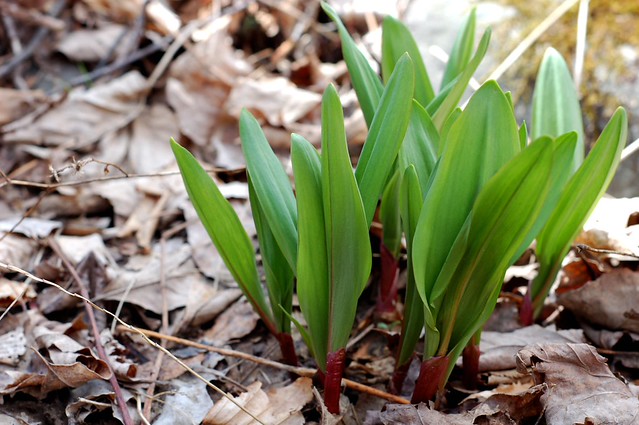
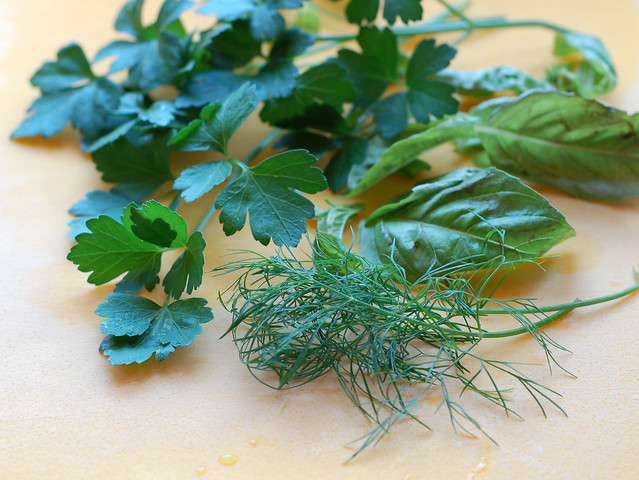
Trio of herbs by Eve Fox, Garden of Eating blog, copyright 2012

After that long,frigd winter, I'm particularly grateful for all the bright, fresh flavors popping in my garden right now. It's luxurious to walk outside to gather a few sprigs of dill for my morning eggs, some basil leaves for garlic bread, a handful of cilantro to garnish a stir-fry or a few fuzzy leaves of apple mint to add to a cucumber-yogurt sauce.

To make these lovely flavors last beyond the summer, I rely primarily on the freezer.
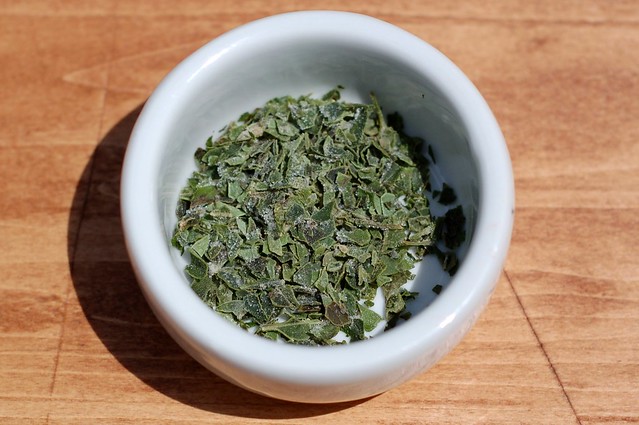
Frozen, chopped oregano

I like to freeze chopped, fresh dill, parsley, cilantro and basil as they hit their stride.

It's easy- just rinse and dry them, take the leaves off the stem, chop coarsely, mix with a little olive oil and fill an ice cube tray with the bright green paste. Once they've frozen fully, pop the fresh herb cubes out and store them in a heavy duty freezer bag for up to a year. But don't forget to label the bag - it can be difficult to tell which green thing is in there once you've got a shelf full of them.
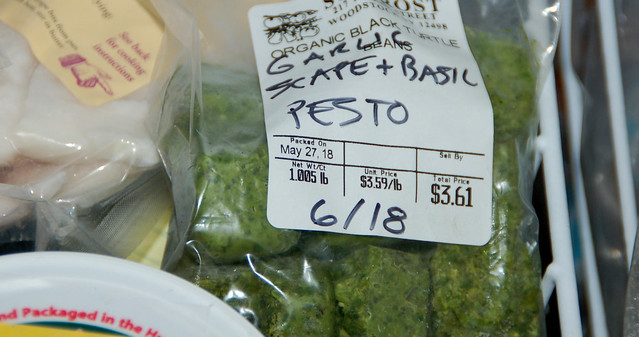
Frozen pesto by Eve Fox, the Garden of Eating, copyright 2018

I also like to make big batches of pesto - both regular and garlic scape pesto - to freeze for the year ahead. All you have to do is toss a couple of these little, green bricks into a pot of hot, buttered pasta or a pan of polenta or risotto and you've got an instant, summer-infused treat. The only difference from the herbs above is that I sometimes opt to freeze the pesto in larger portions in these great Beaba silicone trays I bought to freeze baby food for our first son 10 years ago. We're way past that stage now but still use them all the time.

Freezer beaba tray of garlic scape pesto by Eve Fox, Garden of Eating blog, copyright 2012

My friend, Liza recently told me she freezes her homemade chimichurri sauce -a great idea! So I made a big batch this morning with our cilantro, parsley and oregano and froze half of it.
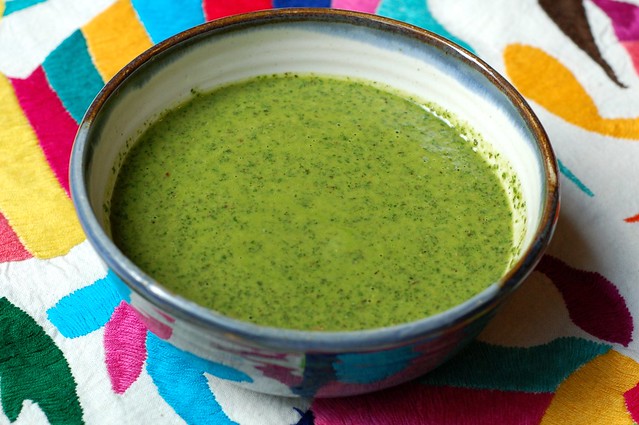
Chimichurri Sauce by Eve Fox, Garden of Eating blog

Once tomato season arrives, I will roast them with tons of of thyme, basil, oregano and rosemary and freeze them in quart bags. One thing I love about this technique is that you can use herbs that are already flowering and you don't even need to remove the stems.

Slow roasted heirloom tomatoes with garlic and herbs by Eve Fox, the Garden of Eating, copyright 2014

My buddy Liza also gave me the idea of making sofrito - the base for many Spanish and Caribbean dishes - and freezing it. Check out Nourished Kitchen's recipe for Spanish-style sofrito here - this one, which is cooked first, includes tomatoes rather than peppers and features Mediterranean herbs- rosemary and thyme.

Or try Serious Eats Puerto Rican style sofrito which is raw and features peppers and culantro (you can substitute cilantro). Liza also adds a little oil to the batch she plans to freeze so she can just pop a cube into the pan and get cooking.

Once pepper and tomato season rolls around, I plan to make both kinds and freeze them.

Sofrito - photo by Emily Barney via Flickr, https://www.flickr.com/photos/ebarney/4608452143

Although the freezer is my favorite, I also dry fresh sage, mint, rosemary, oregano and summer savory. You just rinse the herbs, dry them thoroughly then hang in a dry, covered location that is out of direct sunlight, has good ventilation and no mold issues. Make sure not to overfill your bundles or hang them too close to each other - you want the air to reach everywhere.

Depending on the weather conditions and the herbs you've chosen, it can take up to two weeks for them to dry out fully--you're looking for a crispy crunch when you crumble them between your fingers. If its been rainy out, I'll pop them into the food dehydrator for an hour or so to finish them off. Once they're bone dry, I crumble them into a Mason jar, cap them and store in my cool, dark, dry pantry.
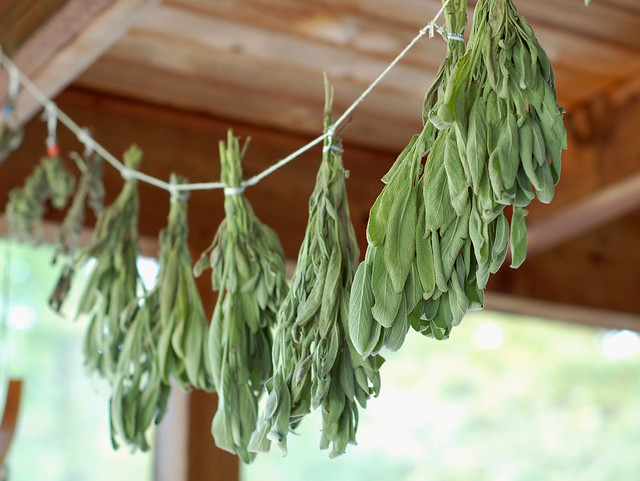
Drying fresh sage by Eve Fox, The Garden of Eating blog, copyright 2013

There is little I find as satisfying as filling my freezer and pantry with delicious things to eat. Primal urge to survive the winter in style - ✔.

You might also like:


Six Strawberry Delights

Sunday, June 10, 2018


Earlier this spring, I ruthlessly clipped the runners on our tangle of strawberry plants and they're rewarding me by producing like never before! There are actually enough for us to enjoy a few perfect berries in spite of the chipmunks taking a heartbreaking, single bite out of 80% of them. And they are amazing - delicately sweet and tart.

Right now is the time to enjoy them and here are six recipes you might like.

1. Pair fresh strawberries with a vanilla panna cotta - their sweet, tartness is a wonderful companion to the creaminess.


2. Make a strawberry rhubarb pie- if you've never tried it before, the combination of strawberries and tart rhubarb is surprisingly wonderful. And lots of butter and sugar don't hurt.


3. Muddle some berries with lemon juice, fresh mint and sugar to make a refreshing strawberry mint lemonade.


4. Add some other berries, apple or invasive Japanese knotweed to make a delicious strawberry crisp.


5. Make the summertime classic, strawberry shortcake.


6. Make your own jam and enjoy it all year long.


You might also like:


Wild Ramp Rules - Harvest Sustainably Or Not At All

Saturday, April 28, 2018

Many years back, I discovered the joys of wild ramps. A few years later, I discovered how threatened they've become due to unsustainable harvesting :(

Ramps (allium tricoccum) are a slow-growing plant that's native to the northeast United States that takes many years to mature. As a result, digging them up by the roots threatens their survival as a species.

A clump of wild leeks growing near a streambed by Eve Fox, Garden of Eating blog, copyright 2011

RAMP RULES

Here are the basic rules you need to follow to help ensure the survival or wild ramps:

1. Don't tell people about any ramp patches you know of. As Gandalf said to Frodo, "Keep it secret. Keep it safe."

2. Don't dig them up by the roots! Mother Nature is watching and she will put you on the naughty list.

3. Harvest a single green leaf from fully mature plants in a big, healthy patch, taking only what you know you will actually use.

4. Say something if you see unsustainably harvested ramps for sale (as in anything other than just the greens) in stores or farm stands. Be polite in your educational efforts - you can catch more flies with honey than vinegar. But I suspect a little gentle shaming via social media could be very effective if they are not inclined to listen to you in person...

5. Share this post with others to spread the word.

6. Plant your own patch of ramps and leave those growing on public lands alone.

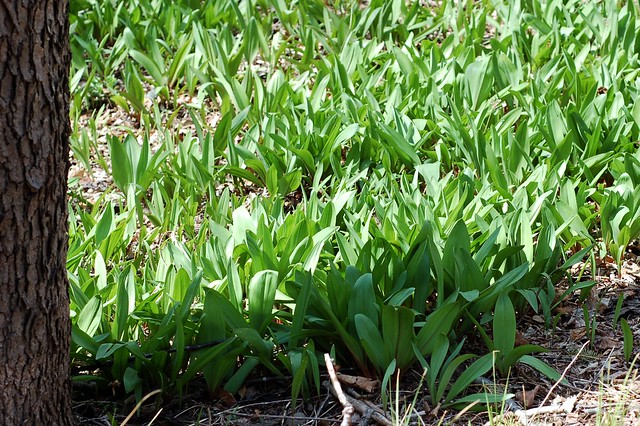
We've planted some seeds and transplanted some young ramps to a suitable spot on our land over the years and I can attest to the fact that they grow and spread extremely slooooowly so we're just leaving them alone in hopes that someday they will grow into a flourishing patch like this one.

Pay dirt! A hillside of wild leeks by Eve Fox, Garden of Eating blog, copyright 2011

Here are some places you can order ramp seeds and sustainably-grown plants from. Keep in mind that they are only available at certain times of the year.

Ramp Farm in Richwood, West Virginia
304-846-4235 or rampfarm@frontier.com

Edge of the Woods Nursery in Orefield, PA
610-395-2570 or info@edgeofthewoodsnursery.com

Amanda's Native Plants in Dansville, NY
585-750-6288 or amandasgarden@frontier.net

Archewild in Quakertown, PA
855-752-6862 or contact@archewild.com

Happy growing and sustainable harvesting.

You might also like:


Monday, June 25, 2018

Enjoy Fresh Herbs Now AND Later - Recipes & Tips For Freezing and Drying

Trio of herbs by Eve Fox, Garden of Eating blog, copyright 2012

After that long,frigd winter, I'm particularly grateful for all the bright, fresh flavors popping in my garden right now. It's luxurious to walk outside to gather a few sprigs of dill for my morning eggs, some basil leaves for garlic bread, a handful of cilantro to garnish a stir-fry or a few fuzzy leaves of apple mint to add to a cucumber-yogurt sauce.

To make these lovely flavors last beyond the summer, I rely primarily on the freezer.

Frozen, chopped oregano

I like to freeze chopped, fresh dill, parsley, cilantro and basil as they hit their stride.

It's easy- just rinse and dry them, take the leaves off the stem, chop coarsely, mix with a little olive oil and fill an ice cube tray with the bright green paste. Once they've frozen fully, pop the fresh herb cubes out and store them in a heavy duty freezer bag for up to a year. But don't forget to label the bag - it can be difficult to tell which green thing is in there once you've got a shelf full of them.

Frozen pesto by Eve Fox, the Garden of Eating, copyright 2018

I also like to make big batches of pesto - both regular and garlic scape pesto - to freeze for the year ahead. All you have to do is toss a couple of these little, green bricks into a pot of hot, buttered pasta or a pan of polenta or risotto and you've got an instant, summer-infused treat. The only difference from the herbs above is that I sometimes opt to freeze the pesto in larger portions in these great Beaba silicone trays I bought to freeze baby food for our first son 10 years ago. We're way past that stage now but still use them all the time.

Freezer beaba tray of garlic scape pesto by Eve Fox, Garden of Eating blog, copyright 2012

My friend, Liza recently told me she freezes her homemade chimichurri sauce -a great idea! So I made a big batch this morning with our cilantro, parsley and oregano and froze half of it.

Chimichurri Sauce by Eve Fox, Garden of Eating blog

Once tomato season arrives, I will roast them with tons of of thyme, basil, oregano and rosemary and freeze them in quart bags. One thing I love about this technique is that you can use herbs that are already flowering and you don't even need to remove the stems.

Slow roasted heirloom tomatoes with garlic and herbs by Eve Fox, the Garden of Eating, copyright 2014

My buddy Liza also gave me the idea of making sofrito - the base for many Spanish and Caribbean dishes - and freezing it. Check out Nourished Kitchen's recipe for Spanish-style sofrito here - this one, which is cooked first, includes tomatoes rather than peppers and features Mediterranean herbs- rosemary and thyme.

Or try Serious Eats Puerto Rican style sofrito which is raw and features peppers and culantro (you can substitute cilantro). Liza also adds a little oil to the batch she plans to freeze so she can just pop a cube into the pan and get cooking.

Once pepper and tomato season rolls around, I plan to make both kinds and freeze them.

Sofrito - photo by Emily Barney via Flickr, https://www.flickr.com/photos/ebarney/4608452143

Although the freezer is my favorite, I also dry fresh sage, mint, rosemary, oregano and summer savory. You just rinse the herbs, dry them thoroughly then hang in a dry, covered location that is out of direct sunlight, has good ventilation and no mold issues. Make sure not to overfill your bundles or hang them too close to each other - you want the air to reach everywhere.

Depending on the weather conditions and the herbs you've chosen, it can take up to two weeks for them to dry out fully--you're looking for a crispy crunch when you crumble them between your fingers. If its been rainy out, I'll pop them into the food dehydrator for an hour or so to finish them off. Once they're bone dry, I crumble them into a Mason jar, cap them and store in my cool, dark, dry pantry.

Drying fresh sage by Eve Fox, The Garden of Eating blog, copyright 2013

There is little I find as satisfying as filling my freezer and pantry with delicious things to eat. Primal urge to survive the winter in style - ✔.

You might also like:


Sunday, June 10, 2018

Six Strawberry Delights


Earlier this spring, I ruthlessly clipped the runners on our tangle of strawberry plants and they're rewarding me by producing like never before! There are actually enough for us to enjoy a few perfect berries in spite of the chipmunks taking a heartbreaking, single bite out of 80% of them. And they are amazing - delicately sweet and tart.

Right now is the time to enjoy them and here are six recipes you might like.

1. Pair fresh strawberries with a vanilla panna cotta - their sweet, tartness is a wonderful companion to the creaminess.


2. Make a strawberry rhubarb pie- if you've never tried it before, the combination of strawberries and tart rhubarb is surprisingly wonderful. And lots of butter and sugar don't hurt.


3. Muddle some berries with lemon juice, fresh mint and sugar to make a refreshing strawberry mint lemonade.


4. Add some other berries, apple or invasive Japanese knotweed to make a delicious strawberry crisp.


5. Make the summertime classic, strawberry shortcake.


6. Make your own jam and enjoy it all year long.


You might also like:


Saturday, April 28, 2018

Wild Ramp Rules - Harvest Sustainably Or Not At All

Many years back, I discovered the joys of wild ramps. A few years later, I discovered how threatened they've become due to unsustainable harvesting :(

Ramps (allium tricoccum) are a slow-growing plant that's native to the northeast United States that takes many years to mature. As a result, digging them up by the roots threatens their survival as a species.

A clump of wild leeks growing near a streambed by Eve Fox, Garden of Eating blog, copyright 2011

RAMP RULES

Here are the basic rules you need to follow to help ensure the survival or wild ramps:

1. Don't tell people about any ramp patches you know of. As Gandalf said to Frodo, "Keep it secret. Keep it safe."

2. Don't dig them up by the roots! Mother Nature is watching and she will put you on the naughty list.

3. Harvest a single green leaf from fully mature plants in a big, healthy patch, taking only what you know you will actually use.

4. Say something if you see unsustainably harvested ramps for sale (as in anything other than just the greens) in stores or farm stands. Be polite in your educational efforts - you can catch more flies with honey than vinegar. But I suspect a little gentle shaming via social media could be very effective if they are not inclined to listen to you in person...

5. Share this post with others to spread the word.

6. Plant your own patch of ramps and leave those growing on public lands alone.

We've planted some seeds and transplanted some young ramps to a suitable spot on our land over the years and I can attest to the fact that they grow and spread extremely slooooowly so we're just leaving them alone in hopes that someday they will grow into a flourishing patch like this one.

Pay dirt! A hillside of wild leeks by Eve Fox, Garden of Eating blog, copyright 2011

Here are some places you can order ramp seeds and sustainably-grown plants from. Keep in mind that they are only available at certain times of the year.

Ramp Farm in Richwood, West Virginia
304-846-4235 or rampfarm@frontier.com

Edge of the Woods Nursery in Orefield, PA
610-395-2570 or info@edgeofthewoodsnursery.com

Amanda's Native Plants in Dansville, NY
585-750-6288 or amandasgarden@frontier.net

Archewild in Quakertown, PA
855-752-6862 or contact@archewild.com

Happy growing and sustainable harvesting.

You might also like: